
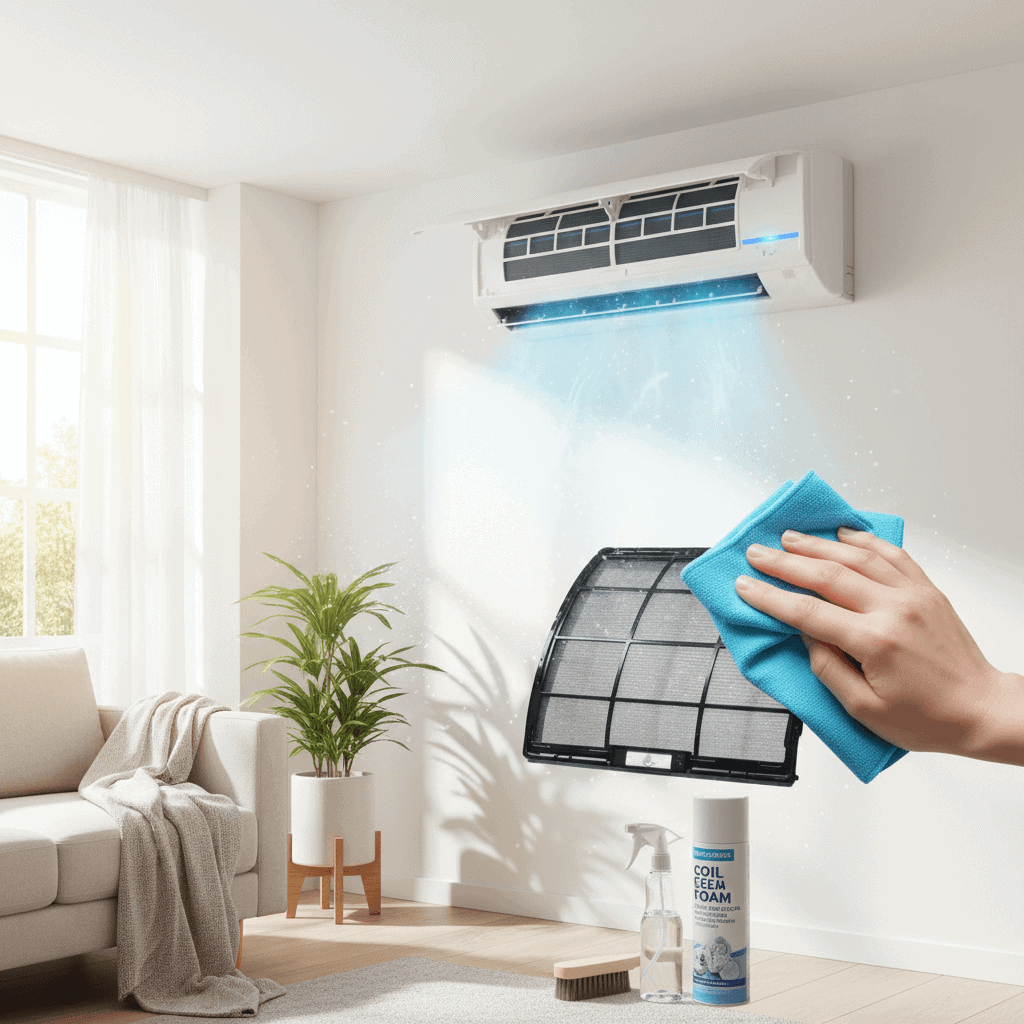
Aircon Performance After Cleaning Tips
Cleaning an aircon does more than remove dust and grime. It can change airflow patterns, heat exchange rates, fan behavior, and even electrical load. After cleaning you may notice immediate comfort improvements or new issues that need a quick check. This article explains practical steps to confirm that cleaning has delivered the intended performance gains and shows what to do if results are less than expected.
Whether you handle routine maintenance yourself or hire a technician, a short series of checks after cleaning will save energy, reduce wear, and keep indoor air quality high. Below are targeted tips you can put into practice the same day that the unit is serviced and in the weeks that follow.
Why aircon performance can change after cleaning
Cleaning affects the delicate balance between airflow, refrigerant flow, and heat exchange. Removing dirt from filters and coils opens air passages, allowing more cool air to reach living spaces. At the same time, cleaning can disturb loose components, reveal worn parts, or expose minor refrigerant leaks that were previously masked by clogged fins. Recognizing which outcomes are desirable and which require attention helps you act quickly.
For example, a large increase in airflow typically signals a successful filter and coil clean. Conversely, a sudden drop in cooling power or unusual noises after cleaning may indicate an overlooked issue like a damaged fan blade or shifted wiring. Knowing what to measure will make follow up easier.
How to measure performance after cleaning
Simple checks provide a clear picture of the unit’s health without special expertise. Focus on temperature change, airflow, runtime, and basic electrical signs. These quick measurements reveal whether the aircon is running within expected ranges.
Tools to use
- An indoor thermometer with a probe or a digital room thermometer
- A simple anemometer to measure airflow if available
- A stopwatch or the clock on your phone
- A basic plug-in power meter to track energy use if you want a more exact read
Quick measurement steps
- Set the thermostat to a steady temperature and allow the unit to run for 15 to 20 minutes.
- Measure the supply air temperature at the vent and the return air temperature near the intake. The difference in degrees is a strong indicator of heat removal performance.
- Note how long the unit runs before cycling off. Excessively short cycles may point to incorrect thermostat placement or refrigerant issues.
- Compare the current energy draw to past readings if you have them. A significant change without an obvious reason warrants further inspection.
Common signs of improved performance
Right after a good clean many homeowners notice immediate benefits. These signs are practical proof that cleaning had a positive effect and they also suggest longer term gains when the unit is kept tidy.
- Lower supply air temperatures that create faster comfort
- Stronger and more uniform airflow across vents
- Quieter operation as dust that muffled fan blades or motor mounts is removed
- Reduced dust buildup on nearby surfaces because filters trap more particles
- Shorter run time to reach the set temperature when the unit is not undersized
Keep in mind that improved performance will show in daily power use over time. Tracking a week of consumption before and after cleaning gives a clearer picture than a single reading.
Troubleshoot issues that appear after cleaning
Not every change after cleaning is good. Some problems become obvious only after dirt is removed. Use a calm step by step approach to find the root cause.
Airflow and fan problems
If airflow seems weaker after cleaning check for these items first. A misaligned panel or a filter installed the wrong way will restrict flow. Inspect the fan blades for damage or imbalance that could have been exposed during cleaning. Tighten loose screws and make sure nothing obstructs the duct path. If the motor hums but the fan does not spin freely, do not force it. That is a sign for a technician to inspect the bearings.
Another common issue is a clogged condensate drain which can overflow and temporarily affect performance. After cleaning, pour a small amount of water through the drain to confirm it moves freely.
Refrigerant and temperature shortfalls
If the temperature drop across the coil is smaller than expected consider refrigerant level and coil condition. A thorough clean should improve coil heat transfer. If it does not, the system may be low on refrigerant or the coil could be damaged. In many regions handling refrigerant requires certification so call a licensed technician when these signs appear.
Watch for icing on the evaporator coil which indicates restricted airflow or low refrigerant and can happen after a deep clean if airflow is still restricted. Thawing and rechecking airflow and filter condition often resolves the issue, but persistent icing is a sign for professional service.
Maintenance tips to keep performance stable
Maintaining gains from cleaning takes a few small habits that save time and money. Regular attention prevents many of the problems that appear as a decline in performance.
- Replace or wash filters every month to three months depending on use and pet presence
- Keep vents and return grilles unobstructed so airflow remains balanced
- Clean outdoor units of leaves, grass clippings, and debris that block airflow
- Check condensate drain lines for blockage and flush them with water periodically
- Record the dates of cleaning and any measurements so trends can be spotted over seasons
Small checks before each cooling season reduce the need for major repairs later. Creating a simple checklist keeps work consistent whether you perform the cleaning yourself or hire a professional.
When to call a professional
Some issues are best left to trained technicians. If you identify persistent low cooling performance after basic checks or if you encounter refrigerant concerns, electrical faults, strange smells that suggest burned wiring, or icing that does not clear, schedule professional service. A technician can test pressures, examine the compressor, and make safe repairs.
If you are in Queensland or surrounding areas and want a local team that offers both cleaning and follow up performance checks consider using BrisbaneAirconCleaning.com.au to arrange service that matches your needs. A competent service provider will document what they did and what measurements they took so you have a record for warranty and future reference.
Seasonal care and keeping records
Aircon performance can vary by season so regular checks are important. At the start of each heavy use season run the quick measurement steps outlined earlier and compare them to your previous records. Keep a log that includes dates, filter changes, cleaning activities, measured temperature split between supply and return, and any odd sounds or energy readings.
Over time this data helps you spot gradual declines that cleaning alone cannot fix. For example if the temperature split shrinks each year despite regular cleaning it points toward aging components or refrigerant loss rather than surface dirt. A clear record speeds diagnosis and reduces the risk of unnecessary parts replacement.
Finally, treat the indoor thermostat as part of the system. Location away from direct sunlight and free from drafts gives more accurate readings which helps the unit run more predictably. Small changes to thermostat placement or calibration can make short cycles or long run times less likely.
Conclusion
Cleaning an aircon is an important maintenance step that usually improves comfort and reduces energy use. After cleaning run a few simple checks such as measuring the temperature difference between supply and return air, observing airflow, and noting runtime. Use basic tools like a thermometer or an anemometer when available and keep a seasonal log that tracks performance. Watch for signs that need professional handling such as persistent icing, strange electrical smells, or reduced cooling that does not respond to filter and airflow fixes. Routine attention to filters, condensate drains, outdoor unit clearance, and thermostat placement will keep gains from cleaning intact. If you prefer a professional touch for deep cleaning or diagnostic testing contact a local specialist who can provide documented measurements and targeted repairs. Taking these steps will protect comfort, reduce unexpected breakdowns, and extend the life of your equipment. Act now to schedule a post cleaning check or to set up a seasonal plan so your aircon runs reliably when you need it most.