
Mobility Tips to Help Reduce Senior Falls
Falls frighten anyone who cares about older adults—family members, caregivers, and health workers alike. Almost one in four Americans age 65 and up takes a tumble each year, turning easy strolls into risky trips. Stopping falls isn’t only clever; it guards independence and good times. Easy tricks really help—I’ve noticed simple moves improve balance and cut slips short. Here’s a cool fact: doing balance drills or using wobble boards lowers fall chances by nearly 30 percent. These small habits keep days vibrant, safe, and full of life. Want to keep steady and make every step fun? Mastering balance shields you and turns walking into an adventure. Keep reading to unlock the secret to staying strong on your feet.
Implementing effective mobility tips involves a combination of home modifications, physical activity, proper footwear, and mindfulness of health conditions. This article explores practical, evidence-based approaches that can help seniors stay steady on their feet and enjoy a safer, more active lifestyle.
Understanding the Causes of Senior Falls and How to Address Them
Common Factors Contributing to Falls
- Muscle weakness: Reduced strength can impair balance and coordination.
- Impaired vision: Diminished eyesight increases the risk of tripping over obstacles.
- Medication side effects: Some prescriptions may cause dizziness or drowsiness.
- Balance disorders: Inner ear issues or neurological conditions can affect stability.
- Environmental hazards: Cluttered walkways, loose rugs, and poor lighting create dangerous spaces.
Understanding these factors helps develop targeted strategies to minimize fall risks effectively.
Effective Home Modifications to Promote Safety and Mobility
Creating a Safer Living Environment
- Install grab bars and handrails: Place in bathrooms, staircases, and hallways to provide support during movement.
- Improve lighting: Brighten stairways, entryways, and dark corners for better visibility.
- Eliminate tripping hazards: Keep walkways clear of clutter, cords, and loose rugs.
- Use non-slip mats: Place in bathtubs, showers, and on slippery floors.
- Adjust furniture: Arrange furniture to allow easy navigation and avoid sharp edges.
Small changes can have a large impact on safety, fostering a more confident movement indoors.
Importance of Regular Physical Activity for Better Mobility
Strengthening Muscles and Improving Balance
- Incorporate balance exercises: Activities like standing on one leg or heel-to-toe walking enhance stability.
- Engage in resistance training: Light weights or resistance bands help maintain muscle mass.
- Practice flexibility routines: Stretching can prevent stiffness and improve range of motion.
Consulting with a physical therapist can ensure exercises are safe and tailored to individual needs. Consistent activity not only improves mobility but also boosts confidence in daily movements.
Choosing Proper Footwear to Support Safe Mobility
What to Look for in Shoes
- Supportive soles: Shoes with firm, non-slip soles provide stability.
- Good fit: Avoid tight or loose shoes that can cause tripping or blisters.
- Low heels: Flat or low-heeled shoes offer better balance than high heels.
- Breathable materials: Keep feet dry and comfortable to prevent blisters and infections.
Never underestimate the power of quality footwear in maintaining mobility and preventing falls. Regularly replacing worn shoes is also essential for ongoing support.
The Role of Health Management in Fall Prevention
Monitoring and Managing Chronic Conditions
- Regular check-ups: Stay updated on vision, hearing, and neurological health.
- Medications review: Work with healthcare providers to minimize side effects that affect balance.
- Manage blood pressure: Keeping it stable reduces dizziness episodes.
- Addressing dizziness: Use assistive devices or seek medical advice if vertigo or lightheadedness occurs.
Good health management promotes overall strength, coordination, and confidence, all contributing to fewer falls.
Mindfulness and Technique: Moving Safely Every Day
Practicing Safe Movement Habits
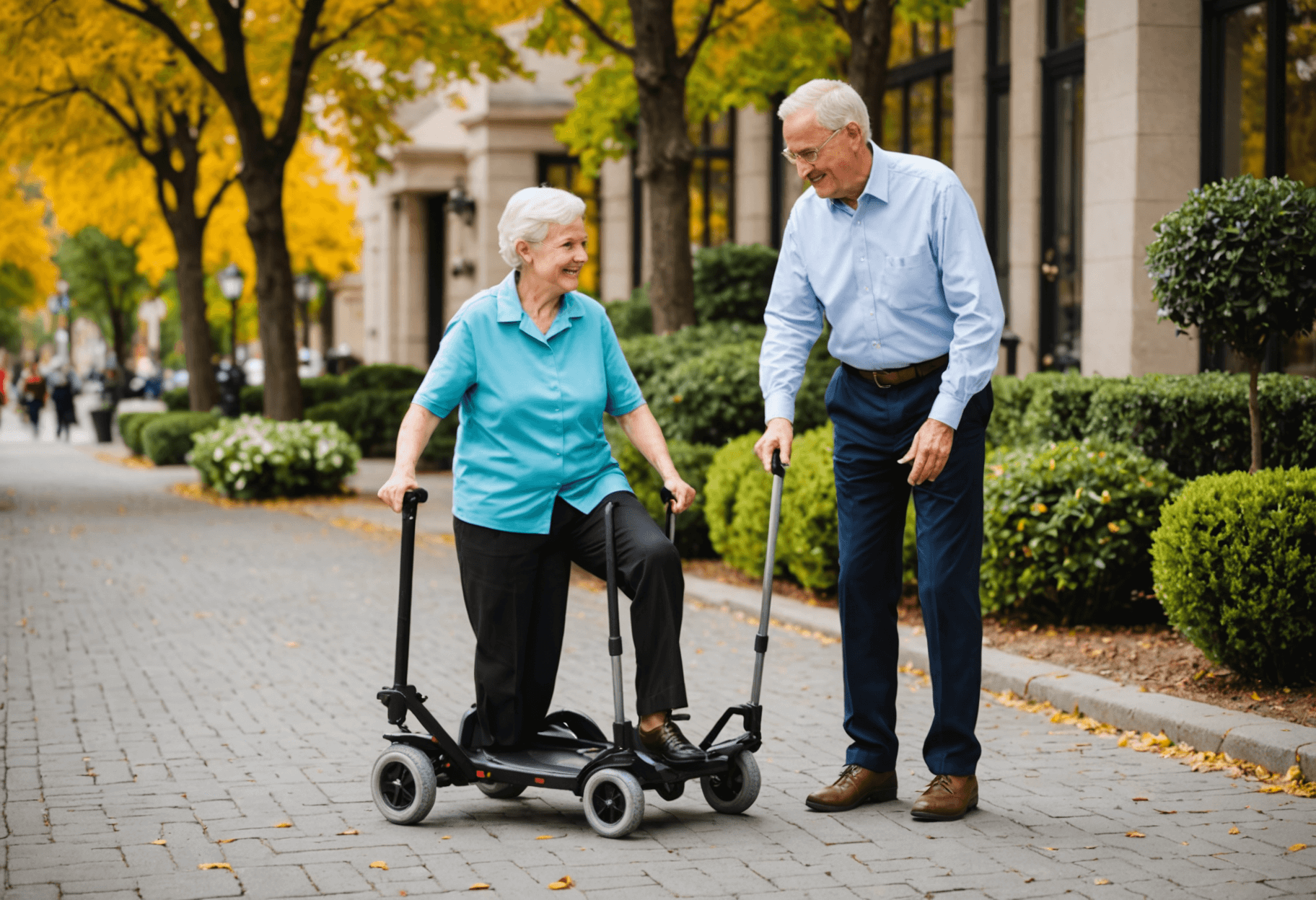
- Use assistive devices wisely: A cane or walker can provide extra stability when needed.
- Take your time: Avoid rushing, especially when navigating stairs or uneven surfaces.
- Plan your route: Be aware of potential obstacles before moving through unfamiliar areas.
- Be mindful of fatigue: Rest when tired to maintain alertness and balance.
Developing cautious movement habits and staying attentive reduces sudden slips or trips that can lead to falls.
Leverage Community Resources and Support
Programs and Assistance for Better Mobility
- Senior exercise classes: Many communities offer tailored programs focusing on strength and balance.
- Home safety assessments: Local agencies can evaluate your home and suggest improvements.
- Educational workshops: Learn about fall prevention strategies and new mobility aids.
- Technology aids: Devices like personal alarm systems or tracking apps can provide additional safety.
Utilizing available resources can make a significant difference in maintaining independence and reducing fall risks altogether. For more guidance on elder care and mobility, exploring trusted sources such as AppKod can offer valuable insights.
Conclusion
Protecting seniors from falls involves a blend of careful planning, health management, and mindful habits. Simple home modifications can create safer environments, while regular physical activity keeps muscles strong and balance steady. Selecting the right footwear and managing health conditions further lowers risks, enabling older adults to move confidently through their daily routines.
Learning to move carefully and utilizing available community resources strengthen fall prevention efforts. It’s essential for families and caregivers to stay proactive, supporting seniors in maintaining their independence and quality of life. Remember, staying vigilant about mobility and safety isn’t just about preventing accidents—it’s about fostering a sense of security and autonomy. Taking these steps delivers peace of mind and helps seniors enjoy an active, fulfilling life well into their later years.