
Do Medical Alert Devices Really Provide Security
I have spent years observing the ways technology integrates into our daily lives and how it shapes our safety nets. Among the many advancements, medical alert devices often come up in discussions about senior care and independent living. People frequently ask if these tools truly offer reliable security or if they are just another gadget.
From my perspective, understanding how these devices work and what they truly provide is important. They are not magic buttons but rather a vital link in a chain of care. My goal is to explore the real security medical alert devices offer. I will also discuss their role in supporting individuals and reassuring families.
Many individuals, especially older adults or those with certain health conditions, want to maintain their independence at home. These devices aim to provide a safety net. They offer a direct line to help when it is most needed.
The Core Promise of Medical Alert Devices
Medical alert devices stand as a frontline defense for many people living alone or managing health challenges. At their heart, these systems promise rapid assistance during emergencies. This includes falls, sudden illnesses, or any situation where someone needs immediate help but cannot reach a phone.
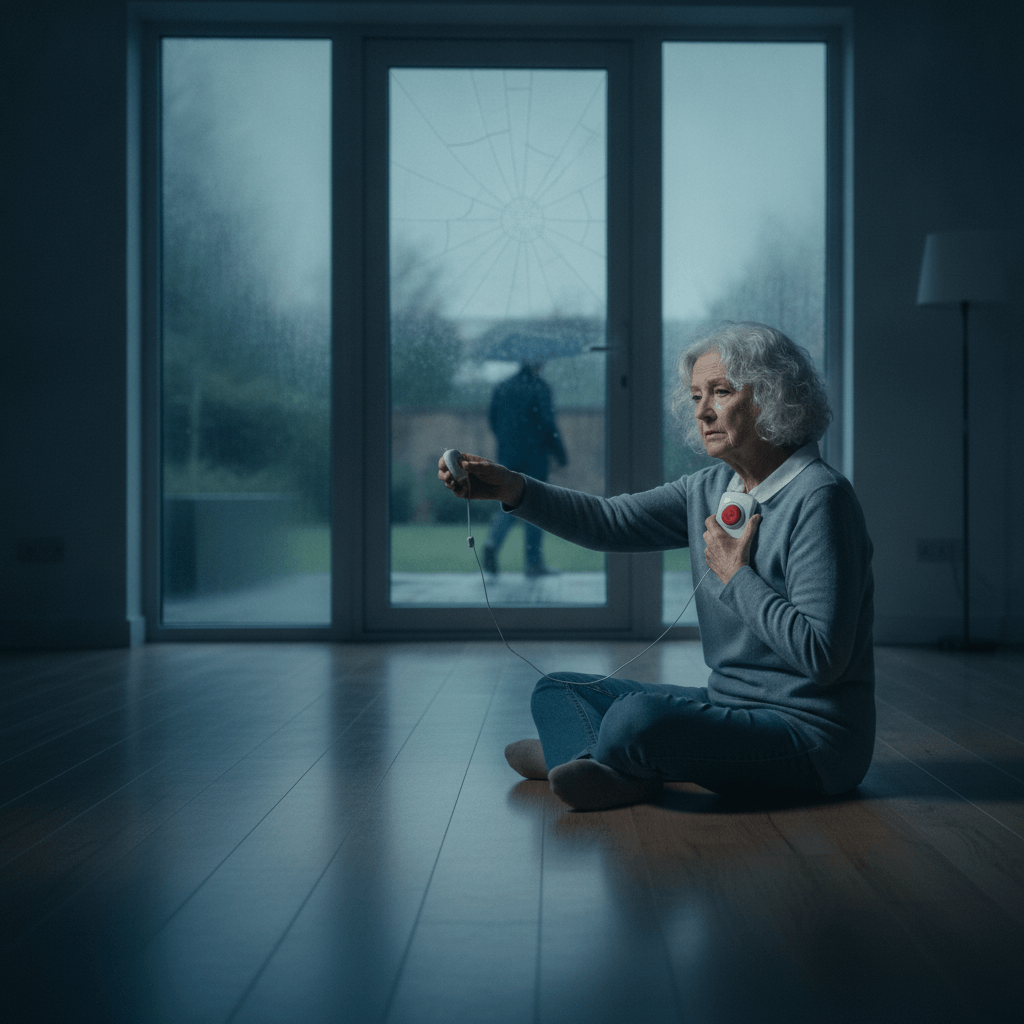
I know many families who have found peace of mind because their loved one uses one of these systems. The core function is simple. A user presses a button usually worn as a pendant or bracelet. This action connects them to a monitoring center. Trained operators then assess the situation and dispatch the appropriate help. This might mean contacting family members, neighbors, or emergency services like paramedics.
The security they provide stems from this direct and immediate access to support. Traditional methods like just having a phone nearby can fail if someone falls and cannot move. A medical alert device often stays on the person. So it makes calling for help possible even in the most difficult situations. It acts as a constant guardian, always ready to respond.
We often think of falls as the main reason for these devices. But they also help with other emergencies. A sudden stroke, a heart attack, or a severe allergic reaction can leave someone incapacitated. In these moments, every second counts. A quick press of a button can be life saving.
The technology has grown far beyond simple buttons. Now many systems include advanced features. These improvements boost the level of security offered. We always try to keep up with these changes to give you the clearest picture.
Types of Medical Alert Devices and Their Features
The market for medical alert devices has grown a lot. It offers a variety of options designed to fit different lifestyles and needs. The most basic systems are home based. They connect to a landline or cellular network. These usually have a base unit and wearable buttons. These buttons work within a certain range of the home.
Then there are mobile systems. These are for people who are more active and want protection wherever they go. Mobile devices often come with built-in GPS. This feature lets emergency responders pinpoint a user’s location. So help can find them quickly even when they are away from home.
Understanding Different Connectivity Options
Connectivity is a big factor in how these devices deliver security. Older home systems often used a traditional landline. This was reliable but limited the user to their home. Many modern home systems now use cellular service. This means no landline is necessary. It provides more flexibility in device placement around the house.
Mobile devices almost always use cellular networks and GPS. This combination means they work anywhere there is cell service. They offer a strong layer of security for people who enjoy outings, travel, or just running errands. I have seen how much this freedom matters to many users.
Advanced Features for Enhanced Safety
Beyond simple button presses, modern medical alert devices come with advanced features that boost security. Fall detection is one of the most significant advancements. These devices use sensors and algorithms to automatically detect a fall. Then they alert the monitoring center even if the user cannot press their button.
Another helpful feature is two way voice communication. This lets the user speak directly with the monitoring center through their device. This direct talk helps operators understand the emergency better and dispatch the right help faster. Some devices also offer medication reminders or activity monitoring. These extra functions add to the overall feeling of security and care.
The variety means there is likely a device that matches almost any personal need. Choosing the right one involves looking at how active someone is. It also involves their specific health concerns and where they spend their time. We always suggest exploring these features carefully to make the best choice.
Real-World Scenarios Where Devices Make a Difference
The true value of medical alert devices shines brightest in real world emergencies. I have heard many stories where these systems played a crucial role in getting help to someone in need. Think about a senior living alone who takes a tumble in the bathroom. They might be unable to get up or reach their phone. Without a medical alert button, they could lie there for hours. This could lead to serious complications. But with the device, help is just a button press or an automatic fall detection away.
Consider another situation. Someone with a chronic condition like heart disease experiences sudden chest pain. They feel disoriented and cannot speak clearly. The two way communication feature on their device allows the operator to hear distress. The operator can then quickly send paramedics to their exact location. This rapid response can truly save lives and prevent long term health issues.
These devices also provide security for individuals recovering from surgery or those prone to dizzy spells. A simple episode that might otherwise lead to a prolonged wait for help becomes a manageable incident. The swift intervention ensures that minor problems do not escalate into major crises.
For individuals with memory issues, some devices have features that allow family members to track their location. This helps ensure their safety if they wander. The peace of mind this offers to caregivers is immense. Knowing that a loved one can be located quickly is a security benefit that cannot be overstated.
These scenarios highlight that medical alert devices are not just about calling for help. They are about reducing response times. They are also about preventing prolonged suffering and offering a continuous safety net for vulnerable individuals.
Weighing the Benefits and Limitations of These Systems
Medical alert devices clearly offer significant advantages. They enhance personal security by providing a quick link to emergency assistance. This allows many people to maintain independence and live in their homes longer. The peace of mind these devices provide is a huge benefit for users and their families.
However it is important to understand the full scope of these systems. While they are powerful tools, they are not without limitations. A device might not work if it is not worn or within range of its base unit. Also some automatic fall detection systems can have false alarms. They can also fail to detect some types of falls.
The Peace of Mind Factor for Users and Families
The mental and emotional advantages of using a medical alert system are often as valuable as the physical safety it offers. For the user, knowing that help is always available can reduce anxiety about living alone. It gives them confidence to engage in daily activities without constant fear of an unassisted emergency. This psychological boost is incredibly important for overall well being.
Family members also gain immense relief. They know their loved one has a safety net. This allows them to worry less. They can also focus on supporting their loved one in other ways. We have seen firsthand how this peace of mind strengthens family bonds and reduces stress for everyone involved. For a deeper understanding, exploring the benefits of medical alert devices can be very helpful.
Potential Drawbacks and How to Address Them
It is crucial to acknowledge that no system is perfect. As I mentioned, a device might not work if it is not charged or if the user forgets to wear it. This is why consistent habits are key. Users need to wear their device regularly. They also need to charge it as instructed.
Technical issues like poor cellular reception can also affect mobile devices. This highlights the importance of choosing a provider with good coverage in the user’s area. False alarms from fall detection can occur. But most monitoring centers handle these calmly and professionally. They will still check in to ensure everything is truly okay.
Cost is another factor. While there are free and low cost options available, the more advanced features often come with a monthly fee. Families need to budget for this. They also need to understand exactly what services are included in their plan. Careful research and clear communication with providers can help mitigate most of these potential drawbacks.
Choosing the Right Medical Alert Device for Your Needs
Selecting the best medical alert device is a decision that requires careful thought. It is not a one size fits all solution. The right choice depends on a person’s individual lifestyle, health status, and living situation. I always advise people to start by assessing how active they are. Do they stay mostly at home or do they spend a lot of time out and about?
For homebodies, a basic home system might be enough. But for an active individual, a mobile device with GPS tracking is much better. Consider specific health conditions too. If falls are a significant risk, automatic fall detection is a must. If there are memory concerns, look for systems that allow for family tracking.
Key Questions to Ask Before Buying
Before committing to a medical alert device, I suggest asking several key questions. First, what are the activation fees and monthly costs? Are there any hidden fees? Second, what type of connectivity does the device use? Will it work reliably in your home and community? Third, what is the battery life of the wearable components? How often do they need charging?
Fourth, what is the average response time of the monitoring center? How quickly do they connect with users? Fifth, what kind of training do the monitoring operators receive? Are they certified in emergency response? Finally, what is the company’s return policy and warranty? These questions help clarify expectations and ensure you get a service that truly provides security.
Important Service Considerations
Beyond the device itself, the quality of the monitoring service is very important. A good provider offers 24/7 monitoring with trained staff ready to respond. They should have clear protocols for contacting emergency services and designated family members. I always look for providers that have a good reputation for customer service and quick response times.
It is also useful to check if the service offers language support if needed. Some providers even offer a “check in” service. This provides regular contact to ensure the user is okay. These service details can make a big difference in the overall security and experience with the device. They are just as important as the features of the device itself.
Integrating Medical Alerts into a Comprehensive Safety Plan
Medical alert devices are powerful. But they work best as one part of a wider safety strategy. They should not be the only thing relied upon for security. I have seen how effective a layered approach can be. Combining a medical alert system with other safety measures creates a much stronger environment for independent living.
For example, simple home modifications can prevent many falls in the first place. Installing grab bars in bathrooms, improving lighting, and removing tripping hazards like loose rugs are basic but effective steps. These physical changes work hand in hand with the technology of a medical alert system. They create a safer space.
Regular communication with family and friends also adds an important layer of security. Scheduled check-in calls or visits ensure that someone is always aware of the individual’s well being. This human connection can catch issues that a device might miss. It provides emotional support too. That is just as important as physical safety.
Having an emergency contact list visible and easily accessible is another good practice. This list should include family members, neighbors, doctors, and any specific health information. This helps anyone who comes to assist. It allows them to act quickly and accurately. We always advocate for these comprehensive plans.
These combined efforts mean someone is not just reacting to emergencies. They are actively preventing them. They are also preparing for them in a thorough way. The medical alert device becomes a central component. But it is surrounded by other supports that boost its effectiveness and the user’s overall security.
Conclusion: A Secure Future with Alert Technology
Do medical alert devices really provide security? Absolutely. From my professional perspective and from countless real world examples, these systems offer a significant layer of safety. They empower individuals to maintain their independence with confidence. They provide peace of mind to families knowing that help is always accessible.
Modern medical alert devices have come a long way. They now include advanced features like automatic fall detection, GPS tracking, and two way communication. These features address a wide range of emergencies beyond simple falls. They ensure that users can get assistance quickly, no matter where they are or what the situation is.
While no technology is perfect, understanding the limitations and choosing a reputable provider helps maximize the benefits. We always encourage people to integrate these devices into a broader safety plan. This plan includes home modifications and consistent communication with loved ones. This comprehensive approach creates the most secure environment for anyone wishing to live independently.
I believe that investing in a medical alert device is a wise decision for many. It is not just about protection. It is about enhancing quality of life and fostering continued independence. I urge you to research the options available. Consider how a medical alert device can strengthen your personal safety or the safety of a loved one. Take that step towards a more secure and confident future today.