
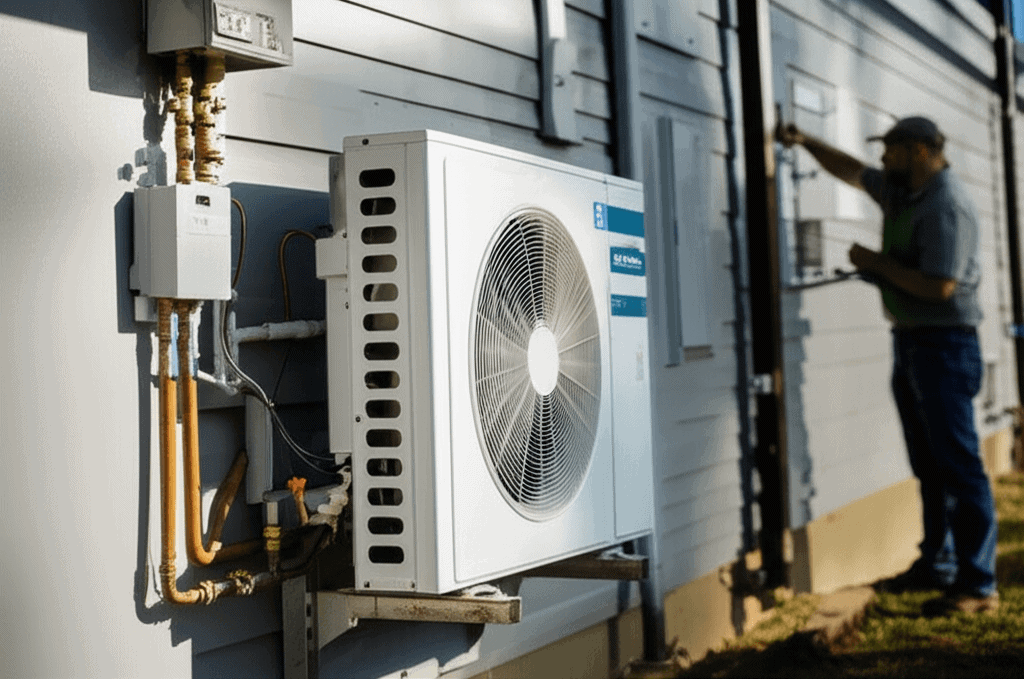
What to Know About Heat Pump Setups
Picking a heat pump feels like rolling the dice since it promises steady warmth and cool air while slashing energy bills. A properly installed heat pump can trim energy costs by up to 50 percent. The secret lies in finding the right model, putting it in the best spot, wiring it just right, and keeping it maintained so it runs smoothly all year. Here’s a little insider tip I learned firsthand: one simple fix can make your home way comfier and save a pile of cash. Whether the weather’s blazing hot or freezing cold, these tips help match the system to your home and budget perfectly. Keep reading to turn a tricky choice into a smart win—your house will feel cozier and your wallet happier.
This article mixes real world examples with straightforward tips that help you avoid common pitfalls. Whether you are replacing an aging furnace, installing a new system in a recent build, or comparing estimates from local contractors, the guidance below will give you confidence as you move forward.
What to Know About Heat Pump Setups when selecting a system type
There are several system families to choose from and each has trade offs in installation complexity, cost, and performance. Matching the system to the home and local climate is the first step toward a setup that performs well and lasts.
- Air source heat pumps are common and cost effective in many climates. They move heat between indoor and outdoor air and work best where winter temperatures rarely dip far below freezing.
- Ground source heat pumps use buried loops to exchange heat with the earth. They have higher upfront costs and less visual outdoor equipment yet lower operating costs over time.
- Mini split systems provide zoned comfort with no ductwork. They are a strong option for room additions, older homes, or spaces where ducts would be expensive to install.
Comparing efficiency ratings to predict operating cost
Efficiency ratings help set realistic expectations for energy use and savings. Two numbers are especially relevant for heat pumps sold in the United States.
- SEER measures cooling efficiency. Higher values indicate less electrical use for the same cooling output.
- HSPF or COP measures heating performance. Higher values mean lower energy consumption to produce heat.
For example a modern air source heat pump with a SEER in the high teens and an HSPF above 8 can reduce energy consumption compared with older systems. Ground source options often offer even higher COP numbers, which helps when electricity rates are a primary concern.
Sizing and placement tips for reliable performance
Oversized and undersized units both cause problems. A unit that is too large will short cycle and provide poor humidity control. A unit that is too small will run constantly and struggle on the coldest days.
How professionals determine proper capacity
Reputable installers perform a load calculation that accounts for square footage, ceiling height, insulation levels, window types, and local climate data. This results in a measured capacity need expressed in tons rather than a rough rule of thumb based on square footage alone.
Placement considerations that affect efficiency and lifespan
Outdoor units need clear airflow and protection from heavy snowfall or yard debris. Indoor units and air handler placement influence duct runs and comfort balance between rooms. For ductless systems, mounting locations should be chosen for an unobstructed spread of conditioned air.
Electrical and ductwork considerations for safe installation
Heat pump setups usually require a dedicated electrical circuit and may require a service panel upgrade if the home has limited spare capacity. Confirm these needs before signing an installation agreement to avoid unexpected costs.
- Confirm the voltage and amperage requirements on the quote. Larger systems often need 240 volt service and a circuit breaker sized to the manufacturer specifications.
- Inspect existing ducts for leaks and insulation levels. Sealing leaks and improving insulation before connecting a new heat pump can improve comfort and lower running costs.
- For ductless mini splits plan for small holes through walls and appropriate refrigerant line routing with weatherproofing to prevent drafts.
Installation timeline and common on site steps
A typical installation takes one to three days depending on system complexity. A simple replacement where ductwork and electrical service are already sized will be quicker than a multi zone mini split or a ground loop installation.
- Day one often involves removing the old equipment and preparing the pad or mounting locations. Technicians will position the outdoor unit and set the indoor unit or air handler.
- Day two is usually for refrigerant lines, wiring, control setup, and system charging. Final checks include verifying airflow, thermostat operation, and safety controls.
- Longer jobs may include digging for loop fields, trenching for lines, or coordinating with other trades for electrical service upgrades.
Maintenance checklist and seasonal care tips
Routine maintenance keeps a heat pump working well and helps avoid costly repairs. Some tasks homeowners can perform while others benefit from an annual professional inspection.
- Replace or clean filters every one to three months during heavy use periods. Clogged filters reduce airflow and increase energy use.
- Keep the outdoor coil clear of leaves, grass clippings, and snow. Trim vegetation to maintain required clearance distances.
- Listen for unusual noises and monitor monthly electric bills for abrupt changes that may indicate a developing problem.
- Schedule a professional tune up annually to check refrigerant charge, electrical connections, and control calibration.
What to ask a contractor when getting a quote
Comparing bids is about more than price. Ask specific questions to understand what is included and how the contractor will protect your investment.
- Request a written load calculation so you can confirm the proposed capacity matches calculated needs.
- Ask which parts of the job are covered by warranty and how long labor coverage lasts. Confirm any manufacturer registration steps that need to be completed by the homeowner.
- Inquire about expected annual energy savings and estimated payback period using local utility costs for a realistic comparison.
If you are searching locally for installation or want a professional evaluation for Southlake Texas properties then a direct discussion with a qualified team helps finalize details. One locally available resource for installation and service is Berkeys Southlake TX Heating Contractor Heat Pump Installation which can provide estimates and on site assessments.
Common mistakes to avoid when planning a setup
Homeowners often choose equipment based on sticker price without checking total cost of ownership. Consider the following pitfalls when reviewing options.
- Buying oversized equipment because it seems like more capacity is better. Short cycling causes wear and poor humidity control.
- Skipping the load calculation and assuming older ductwork will work fine without sealing or adjusting balance dampers.
- Choosing the lowest bid without verifying installer qualifications, licensing, and warranty handling practices.
These practical items reduce surprises and can protect you from higher operating costs or premature equipment failure.
In summary, What to Know About Heat Pump Setups centers on matching the right system to your home and maintaining it properly for long term reliability. Start with a professional load calculation and verify electrical and ductwork needs before signing a contract. Compare efficiency ratings and expected operating costs and factor in maintenance obligations when choosing between air source ground source and ductless options. Ask contractors for clear written details on capacity warranties and any additional work that will be required on site. If you follow these steps you will be far more likely to end up with an installation that meets comfort goals and runs at reasonable cost. If you are ready to get a quote or want a local on site evaluation reach out to a trusted service provider and schedule a visit soon so the planning and installation can move forward without delay.