
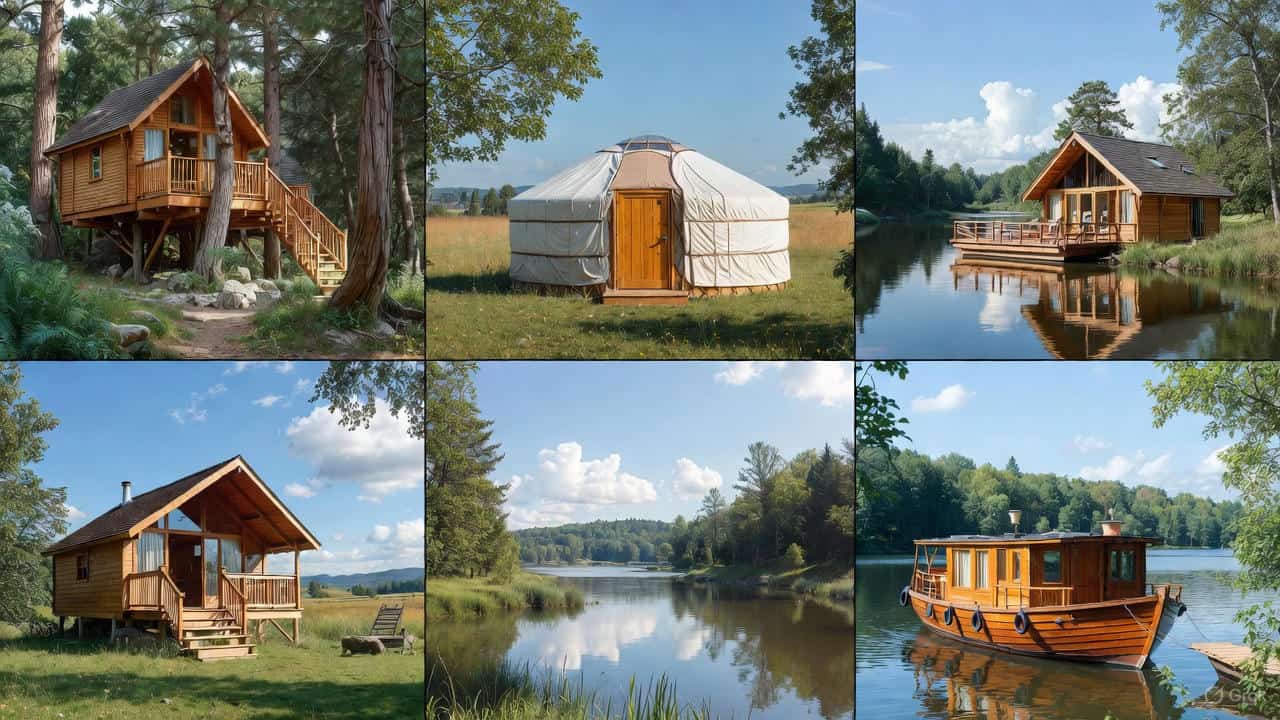
Discovering Unique Accommodation Types
Picking where to sleep means more than just finding a roof and a bed. Imagine staying in an old building full of history or a treehouse high above the trees—each place changes the whole vibe of the trip and the tales you tell later. For people chasing unique adventures, this choice turns every night into a story worth sharing. The spot picked to rest can change the entire journey, and knowing why makes all the difference. This matters most for anyone who wants their trip to be unforgettable. Keep reading to discover how to make every night count.
This article looks at an array of uncommon places to stay and offers practical tips for finding one that fits your style and budget. Expect real world examples, booking pointers, and safety and comfort checks that will help you pick a stay that matches your expectations.
Exploring boutique hotels and design focused stays
Boutique hotels put personality into each room and public space. Many are small operations with 10 to 50 rooms that emphasize local materials, artwork, and service that feels personal. They can be found in city centers and on quieter streets outside downtown.
- What to expect. Unique decor, higher staff to guest ratio, sometimes included perks like curated minibars or complimentary local snacks.
- Who will enjoy them. Travelers who value interior style, local stories, and human interaction over chain predictability.
- Price patterns. Nightly rates vary with location and season. Urban boutique hotels often cost more on weekends than midweek.
Example cities with strong boutique scenes include those with lively arts districts and renovation projects. If you are planning a metropolitan trip check a city specific hotel guide for room types and neighborhood notes so you can place yourself near museums, food markets, or nightlife.
Eco lodges and sustainability focused retreats
Eco lodges appeal when you want to minimize your footprint while enjoying nature. These properties often use renewable energy, source food locally, and build with low impact techniques. That said each property differs in standards and practices so look for explicit statements about water usage, energy, and waste management.
Practical checks before booking
- Look for verified certifications or guest reviews that mention sustainable practices.
- Ask about access logistics. Some eco sites require a walk or a transfer that can be challenging after dark.
- Confirm the level of comfort. Off grid does not mean uncomfortable but plumbing and internet may be limited.
Why choose this style of stay
Beyond environmental benefit an eco lodge often places you in a landscape rich with wildlife or cultural programming. Guided walks, farm tours, and night safaris can be included or offered on site. For nature lovers these stays extend the trip beyond sightseeing into active learning.
Overwater villas treehouses and other non traditional structures
These options come with strong wow factor. Overwater bungalows provide private water access and direct snorkeling from your deck. Treehouses place you in a sylvan canopy where sunrise and bird song are part of the room service. Both types can be luxurious or pared back depending on the operator.
- Access and seasons. Overwater stays are seasonal in some regions due to monsoon cycles. Treehouse stays may be affected by local wildlife behavior.
- Safety items. Check railing heights, mosquito control, and child friendly measures if you travel with young family members.
- Expect higher cleaning and maintenance standards. Water and wood structures need frequent upkeep which shows in cost and guest reviews.
Booking tip. For these stays early reservations are often necessary because there are fewer units than in a standard hotel. If you need a specific feature like an infinity pool check availability at time of booking.
Converted spaces with character
Historic transformations make for memorable stays. Examples include train car hotels, repurposed factories, old churches that are now hospitality venues, and lighthouses offering remote solitude. These properties often retain architectural details that create strong atmosphere.
Converted stays can carry constraints. Room layouts may be irregular and soundproofing can vary. On the plus side many provide a story that regular hotels cannot match and offer perfect settings for photos and unique celebrations.
Farm stays and agritourism experiences
Farm stays put the rural life on your daily itinerary. Activities often include harvesting, cheese making, animal feeding, and farm to table meals. These stays work especially well for families and travelers who want to connect with local food traditions.
- Check activity schedules. Some farms operate on seasonal cycles so what you can do changes with the calendar.
- Accommodation variety. Options range from converted barns with modern comforts to rustic cottages that favor authenticity over frills.
- Health and safety. If children will interact with animals confirm hygiene measures and supervision rules before arrival.
Urban alternatives and market based rentals
City travel need not mean standard rooms. Look into micro hotels, capsule hotels, and serviced apartments for short or extended stays. Micro hotels offer curated common areas with compact private rooms while serviced apartments give kitchen space and a home like layout for longer visits.
If you are planning a trip to a major Asian capital you might find curated hotel lists that highlight unique urban properties across price ranges. For an example of options in a popular Southeast Asian city consult this page on Hotels in Bangkok which lists choices by neighborhood and features.
Tips for choosing the right unique accommodation
Choosing an unconventional stay requires a mix of curiosity and caution. Below are checks and methods to reduce surprises and to match the room to your plan.
Check logistics and accessibility
- Transport. Confirm transfer times and costs especially for remote properties that require boat or off road travel.
- Medical and emergency access. Note the distance to clinics and pharmacies. In remote areas an on site manager contact is useful.
- Seasonal closures. Some properties only operate during fixed months so align dates before booking.
Match services to expectations
- Wi Fi and connectivity. If you need reliable internet check speed reports or ask the host directly.
- Meal availability. Some unique stays offer only breakfast or limited meal windows so plan accordingly for dinner options.
- Privacy needs. Verify whether rooms share walls or outdoor spaces with other guests.
Booking strategies and budgeting for unique stays
Rates for unusual lodging can be volatile. Supply is often limited which makes promotions rare. Here are practical budgeting tips to balance cost and value.
- Book early if the property has few units. Special dates and weekends sell out fast.
- Off season benefits. If your schedule is flexible travel outside peak months to find lower prices and quieter surroundings.
- Look for package deals. Operators sometimes bundle activities with lodging which can be better value than buying separately.
- Cancellation policy. Flexible terms are worth paying a bit more for if travel plans are uncertain.
Payment methods differ by region. Some small operators accept only local bank transfers on arrival so confirm payment options before you travel. Also check whether the rate includes taxes and service fees to avoid a bill shock at checkout.
How to evaluate guest feedback and property claims
Guest reviews are the best way to verify a property description. Focus on recent reviews that mention cleanliness, safety, and staff responsiveness. Look for photos posted by guests which often show the true condition of rooms and facilities.
- Consistency matters. If multiple guests note the same problem it likely reflects a real issue.
- Host responses. A proactive host who replies to critical feedback is more likely to address issues during your stay.
- Photos over words. Guest taken images give clues about lighting, space, and décor that written descriptions cannot.
Unique accommodation types add narrative and texture to a trip. Whether you choose a historic conversion that keeps architectural flourishes or a wilderness lodge built with minimal impact the key is to align room features with personal needs. Ask direct questions about access and amenities then compare what matters most to your travel style.
In closing, selectivity pays off when you are after a memorable stay. Use reviews, ask specific questions, and plan around seasonal constraints. If you value scenery and local culture choose a stay that integrates activities on site. If convenience and regular hours are your priority stick with urban alternatives that offer flexible check in and kitchen facilities. Make a checklist before booking to cover logistics safety and amenities. Then book early for limited inventory options and allow extra time for travel to remote properties. Ready to try a place that tells a story pick one from a themed list or a regional hotel guide and start the reservation process today.